
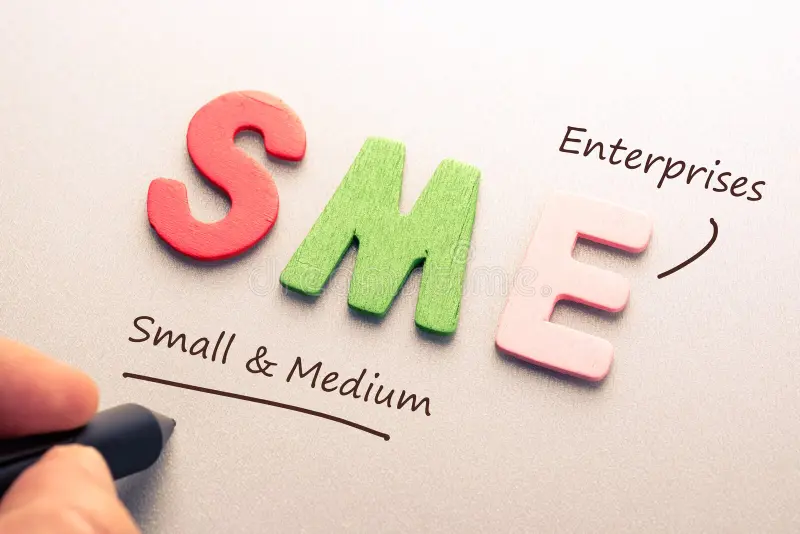
Small and Medium Enterprises (SMEs) are considered the backbone of modern economies because of their significant contribution to employment, innovation, industrial production, and economic stability. These businesses operate across a wide range of industries including manufacturing, technology, healthcare, education, logistics, retail, finance, hospitality, and professional services. Despite operating on a smaller scale compared to multinational corporations, SME companies collectively create a massive economic impact at local, national, and global levels.
In today’s fast-changing business environment, SMEs have become even more important due to their flexibility, adaptability, and ability to respond quickly to market demands. They support entrepreneurship, encourage competition, improve supply chains, and help economies remain dynamic and resilient. Governments around the world increasingly recognize the importance of SMEs and continue to invest in programs that support their growth, digital transformation, and global expansion.
Understanding the Role of SME Companies
SMEs include micro, small, and medium-sized enterprises that are usually classified based on employee count, annual revenue, or investment levels. While the exact classification differs by country, SMEs share common characteristics such as lean operational structures, customer-focused services, and faster decision-making capabilities.
Unlike large enterprises that often require lengthy approval processes and large operational budgets, SMEs can quickly adopt new technologies, launch innovative products, and adjust their strategies according to market trends. This agility allows them to remain competitive even in highly dynamic industries.
SMEs are not limited to a single business sector. They contribute to nearly every part of the economy, from local retail shops and software startups to manufacturing plants and professional consulting firms.
Why SME Companies Matter in the Global Economy
SME companies are important to the global economy because they support employment, innovation, and business growth across multiple industries. These businesses create millions of jobs and help strengthen local and national economies through production, services, and trade. SMEs also encourage entrepreneurship by giving individuals opportunities to start and grow businesses. Their flexibility allows them to adapt quickly to market changes, introduce innovative solutions, and meet customer demands more effectively. In addition, SMEs contribute significantly to GDP, support supply chains, and promote healthy market competition. With the growth of digital technology and e-commerce, many SMEs are now expanding into international markets and reaching global customers.
Overall, SME companies play a major role in driving economic development, supporting innovation, and creating long-term business opportunities worldwide.
Employment Generation and Economic Stability
SME companies play a major role in employment generation and economic stability. These businesses create millions of jobs across industries such as manufacturing, retail, technology, healthcare, logistics, and finance. In many countries, SMEs are among the largest sources of employment and contribute significantly to workforce development. One of the key advantages of SMEs is their presence in both urban and rural areas. This helps create local job opportunities, improve income distribution, and support regional economic growth. SMEs also encourage entrepreneurship and self-employment, allowing individuals to build businesses and contribute to economic activity.
In addition to job creation, SMEs strengthen economic stability by supporting local markets and increasing consumer spending. As these businesses grow, they generate income, improve living standards, and stimulate demand for products and services. SMEs are also highly adaptable during changing economic conditions. Their flexibility allows them to respond quickly to market demands, introduce innovative solutions, and maintain business operations more efficiently.
Overall, SME companies are essential for building strong economies by creating employment opportunities, supporting entrepreneurship, and promoting long-term economic growth.
Contribution to GDP and National Growth
SME companies contribute significantly to Gross Domestic Product (GDP) and play an important role in national economic development. These businesses support industries such as manufacturing, retail, healthcare, technology, logistics, and professional services, helping increase overall economic activity and business productivity.
Key contributions of SMEs to GDP and national growth include:
- Supporting industrial production and business operations
- Creating employment opportunities across different sectors
- Increasing consumer spending and market demand
- Strengthening local and regional economies
- Encouraging entrepreneurship and startup development
- Supporting exports and international trade
- Generating tax revenue for governments
- Improving supply chain efficiency and business networks
- Promoting innovation and digital transformation
- Contributing to long-term economic stability and growth
As SMEs continue to expand through technology adoption and digital business models, their contribution to GDP and economic progress is expected to grow even further in the coming years.
Key Characteristics of SME Companies
SME companies have several important characteristics that make them highly adaptable and competitive in today’s business environment. These businesses are known for their flexibility, customer-focused operations, innovation, and efficient management structures. Unlike large corporations, SMEs can quickly respond to market trends and customer demands, helping them grow in competitive industries.
Smaller Organizational Structure
One of the main characteristics of SME companies is their smaller operational and management structure. With fewer employees and simplified processes, SMEs can maintain better communication, faster workflow, and stronger control over business activities.
Faster Decision-Making
SMEs usually have fewer management layers, which allows business owners and managers to make decisions quickly. This helps companies respond faster to market opportunities, customer requirements, and industry changes.
Flexibility and Adaptability
Small and medium enterprises are highly flexible in adjusting their business strategies, pricing, products, and services. Their adaptability allows them to survive and grow even in changing economic conditions.
Strong Customer Relationships
SMEs often focus heavily on customer satisfaction and personalized services. Close interaction with customers helps them understand market needs and build long-term business relationships.
Innovation-Driven Approach
Many SMEs are innovation-focused and open to adopting new technologies, digital tools, and creative business ideas. Their ability to experiment with new solutions helps them remain competitive in modern markets.
Cost-Effective Operations
SMEs generally operate with lean business structures and controlled operational costs. Efficient use of resources helps them improve productivity and maintain financial stability.
Technology Adoption
Modern SMEs increasingly use technologies such as cloud computing, CRM software, automation systems, and digital marketing tools to improve business efficiency and customer engagement.
Driving Digital Transformation
SME companies are playing an important role in driving digital transformation across modern industries. By adopting advanced technologies and digital business solutions, SMEs are improving operational efficiency, customer engagement, and overall business performance. Many SMEs now use digital tools such as cloud computing, automation software, Customer Relationship Management (CRM) systems, data analytics, and e-commerce platforms to streamline daily operations and improve decision-making. These technologies help businesses reduce costs, increase productivity, and deliver better customer experiences.
Digital marketing has also become a major growth driver for SMEs. Businesses use SEO, social media marketing, email campaigns, and online advertising to reach larger audiences and generate leads more effectively. E-commerce platforms allow SMEs to expand beyond local markets and connect with customers globally.
In addition, automation and artificial intelligence are helping SMEs manage repetitive tasks, improve communication, and analyze customer behavior more efficiently. This enables businesses to focus more on innovation, strategy, and long-term growth. As technology continues to evolve, SMEs that invest in digital transformation are becoming more competitive, scalable, and prepared for future business opportunities.
The Growing Importance of SME Databases
SME databases have become increasingly important for businesses looking to improve marketing, sales, and lead generation strategies. These databases contain valuable business information such as company names, industry details, contact information, email addresses, employee size, revenue data, and geographic locations. Companies use SME databases to identify potential customers, connect with decision-makers, and target specific industries more effectively. Accurate and updated databases help businesses improve communication, generate qualified leads, and increase conversion opportunities.
SME databases are especially useful for:
- Email marketing campaigns
- Telemarketing and sales outreach
- B2B lead generation
- Market research and analysis
- Business expansion strategies
- Customer targeting and segmentation
With the growth of digital marketing and data-driven business strategies, companies increasingly rely on SME databases to improve campaign performance and maximize return on investment (ROI).
A well-maintained SME database also helps businesses save time, reduce marketing costs, and improve sales efficiency by reaching the right audience with personalized communication. As competition continues to grow, access to reliable SME data has become a valuable asset for business development and market expansion.
Challenges Faced by SME Companies
Despite their important contribution to economic growth and business development, SME companies face several challenges that can affect their operations and long-term success. Limited resources, increasing competition, and rapidly changing market conditions often make it difficult for SMEs to scale efficiently.
Limited Access to Funding
One of the biggest challenges for SMEs is securing financial support. Many small businesses struggle to obtain business loans, investments, or credit due to limited financial history or collateral.
High Market Competition
SMEs often compete with large corporations that have bigger marketing budgets, stronger brand recognition, and wider market reach. Competing in pricing, technology, and customer acquisition can be difficult for smaller businesses.
Technology and Digital Transformation Costs
Adopting advanced technologies such as automation systems, cloud platforms, and cybersecurity solutions requires significant investment. For many SMEs, managing these costs can be challenging.
Skilled Workforce Shortage
Finding and retaining experienced employees is another major challenge. Many SMEs face difficulties attracting skilled professionals due to limited budgets and competition from larger organizations.
Regulatory and Compliance Issues
Managing taxes, legal requirements, licenses, and industry regulations can become complex, especially for growing businesses operating across multiple regions.
Cybersecurity Risks
As SMEs increasingly rely on digital systems and online platforms, they also face higher risks related to data security, cyberattacks, and information protection.
Limited Market Reach
Many SMEs struggle with brand visibility and market expansion due to limited marketing resources and lower digital presence compared to larger competitors.
Despite these challenges, SMEs continue to grow by adopting digital technologies, improving customer relationships, and implementing innovative business strategies. With proper financial support, technology adoption, and market planning, SME companies can achieve sustainable growth and long-term success.
Conclusion
SME companies are essential to the growth and stability of modern economies. Through job creation, innovation, entrepreneurship, and regional development, SMEs strengthen industries and improve economic performance across the world.
As digital transformation continues to reshape industries, SMEs that invest in technology, customer engagement, and sustainable practices will play an even larger role in shaping the future of global business. Their ability to adapt, innovate, and support local communities makes them one of the most valuable components of a successful and competitive economy.
Visit our SME solutions to discover tools and resources for business growth.