
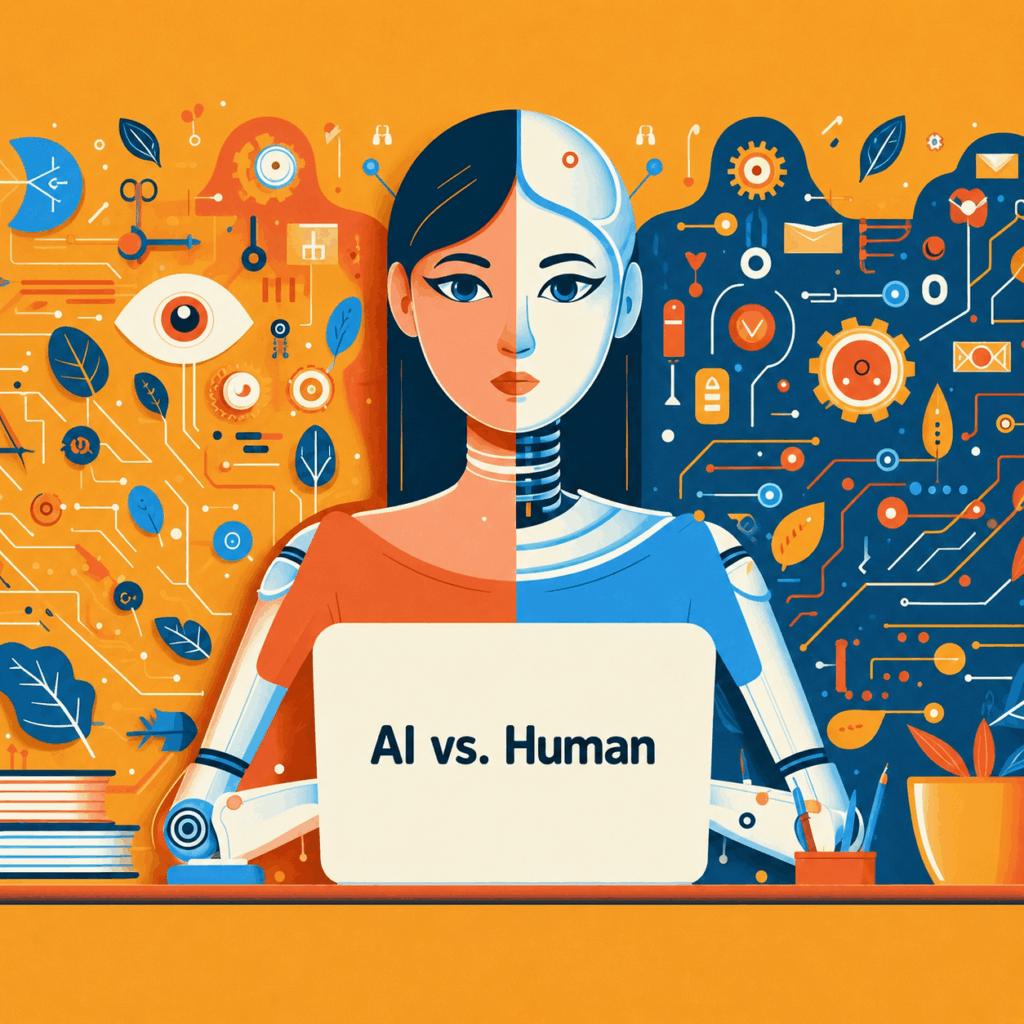
In today’s data-driven world, businesses rely heavily on accurate B2B data to power marketing campaigns, generate leads, and close deals. But one critical question remains: Should you trust AI or human verification for data accuracy?
The answer isn’t as simple as choosing one over the other. Both have strengths—and limitations. Understanding how they work can help you build a smarter, more reliable data strategy.
Why Data Accuracy is a Business-Critical Factor
Before comparing methods, it’s important to understand what’s at stake.
Inaccurate data leads to:
- Wasted marketing budgets
- High email bounce rates
- Poor targeting and low engagement
- Missed opportunities with decision-makers
Even a small percentage of bad data can disrupt an entire campaign. That’s why verification isn’t optional—it’s essential.
AI Verification: Speed at Scale
AI-powered tools are designed to process massive datasets quickly. They use algorithms to clean, validate, and structure data efficiently.
Where AI Excels
AI is highly effective in handling repetitive and large-scale tasks such as:
- Removing duplicate records
- Standardizing formats (emails, phone numbers, company names)
- Detecting incomplete or inconsistent entries
- Running real-time validation checks
For companies managing thousands or millions of contacts, AI significantly reduces manual workload and turnaround time.
Where AI Falls Short
Despite its efficiency, AI has clear limitations.
It struggles with:
- Contextual accuracy (e.g., whether a contact is still in the same role)
- Dynamic changes in job positions or company structures
- Interpreting intent or relevance
AI validates data structure—but it cannot always confirm whether the data is meaningful or current.
Human Verification: Accuracy with Context
Human verification adds a layer of intelligence that machines cannot replicate. It involves manually reviewing and validating data using real-world judgment.
Where Humans Add Value
Humans are especially effective when:
- Verifying senior decision-makers (CEO, CTO, CMO, etc.)
- Cross-checking multiple sources for accuracy
- Understanding job roles, hierarchies, and relevance
- Ensuring the data aligns with campaign goals
This level of validation is critical for high-value B2B targeting, where precision matters more than volume.
Challenges of Human Verification
Human verification improves data accuracy, but it has clear limitations:
Not real-time: Cannot keep up with frequent data changes
Limited scalability: Not suitable for large datasets
Slower process: Takes time to verify each record
Higher costs: Requires skilled manpower
Risk of errors: Fatigue can lead to mistakes
Inconsistent results: Varies from person to person
AI vs Human Verification: The Real Comparison
When it comes to B2B data accuracy, the question isn’t which is better—it’s how each performs in different situations.
AI verification is built for speed and scale. It can process massive datasets, remove duplicates, and standardize information in seconds. This makes it ideal for initial data cleaning and bulk validation. However, it lacks contextual understanding, which can lead to gaps in accuracy for complex or dynamic data.
Human verification, on the other hand, brings judgment and context. It ensures that data is not just correct in format, but also relevant and up to date—especially when targeting key decision-makers. The trade-off is slower speed and higher cost.
The real difference lies in their strengths:
Humans ensure accuracy and relevance
AI handles volume and efficiency
The Hybrid Approach: The Smartest Strategy
The most effective B2B data companies today use a hybrid verification model—combining the strengths of both AI and human intelligence.
How It Works
- AI processes and cleans large datasets
- It flags errors, duplicates, and inconsistencies
- Human experts review high-priority or complex data points
- Final validation ensures both accuracy and relevance
Why the Hybrid Model Wins
Relying only on AI or only on human verification creates gaps—either in speed or in accuracy. A hybrid model solves this by combining the strengths of both.
AI handles the heavy lifting by quickly cleaning, organizing, and validating large volumes of data. It ensures efficiency, consistency, and scalability. Human experts then step in to review critical data points, adding context, verifying relevance, and correcting nuanced errors that automation might miss.
This combined approach leads to:
Higher accuracy: Data is both technically correct and contextually relevant
Faster processing: Large datasets are handled efficiently without delays
Better scalability: Businesses can grow without compromising data quality
Improved ROI: More accurate targeting leads to better engagement and conversions
Real Impact on Marketing & Sales
Accurate, well-verified data has a direct and measurable impact on both marketing and sales performance. When businesses work with high-quality data, marketing campaigns become more targeted and relevant, leading to higher open rates, better engagement, and reduced bounce rates. Instead of reaching a broad and often unqualified audience, companies can connect with the right decision-makers at the right time. On the sales side, verified data allows teams to focus on genuine prospects rather than wasting time on outdated or incorrect leads, which results in more meaningful conversations and shorter sales cycles. Overall, this improved accuracy strengthens alignment between marketing and sales, boosts conversion rates, and ensures a higher return on investment from every campaign.
Conclusion
AI and human verification are not competing approaches—they are complementary. While AI delivers speed, scalability, and efficiency, human verification ensures accuracy, context, and relevance. Relying on just one can limit your results, either by sacrificing quality or slowing down operations. The most effective strategy is a hybrid approach that combines the strengths of both, enabling businesses to maintain high-quality data while scaling their efforts. In a data-driven environment, this balance is essential for improving targeting, increasing conversions, and maximizing overall ROI.